
Beyond Mind, Body, and Soul: What Guest Wellness Really Requires
Whenever we think about holistic health, the words people always reach for are mind, body, and soul. That connection to who you are, your mindset, your physical health. Those are beautiful things, and if you're supporting all 3, you're definitely going to have a real sense of rejuvenation. But that list leaves out the things doing some of the most work behind the scenes when someone is on a trip: the environment someone is in, the people around them, and whether they're genuinely enjoying themselves. Miss those, and mind, body, and soul can only take a guest so far.
In fact, I was in a few conversations recently where wellness accommodations told me they ‘did’ wellness in their space. And of course, I asked what does this mean? And they all came out with the same answers. “Yoga”, “Spa”, “Wellness Assessments”, “Local Massage”, “Sound Healing”, “Eating Vegetarian”.
There’s nothing wrong with those answers. But as an experienced wellness practitioner , I am telling you right now - that if this is the only considerations you have for wellness. Then firstly, you’re only creating a nice experience, not a lasting impact on this person’s life. But secondly, you’re missing a thousand opportunities to create a memorable guest experience, which brings people back and becomes a genuine referral. So what are we missing?
Your Environment Is Doing More Than You Think
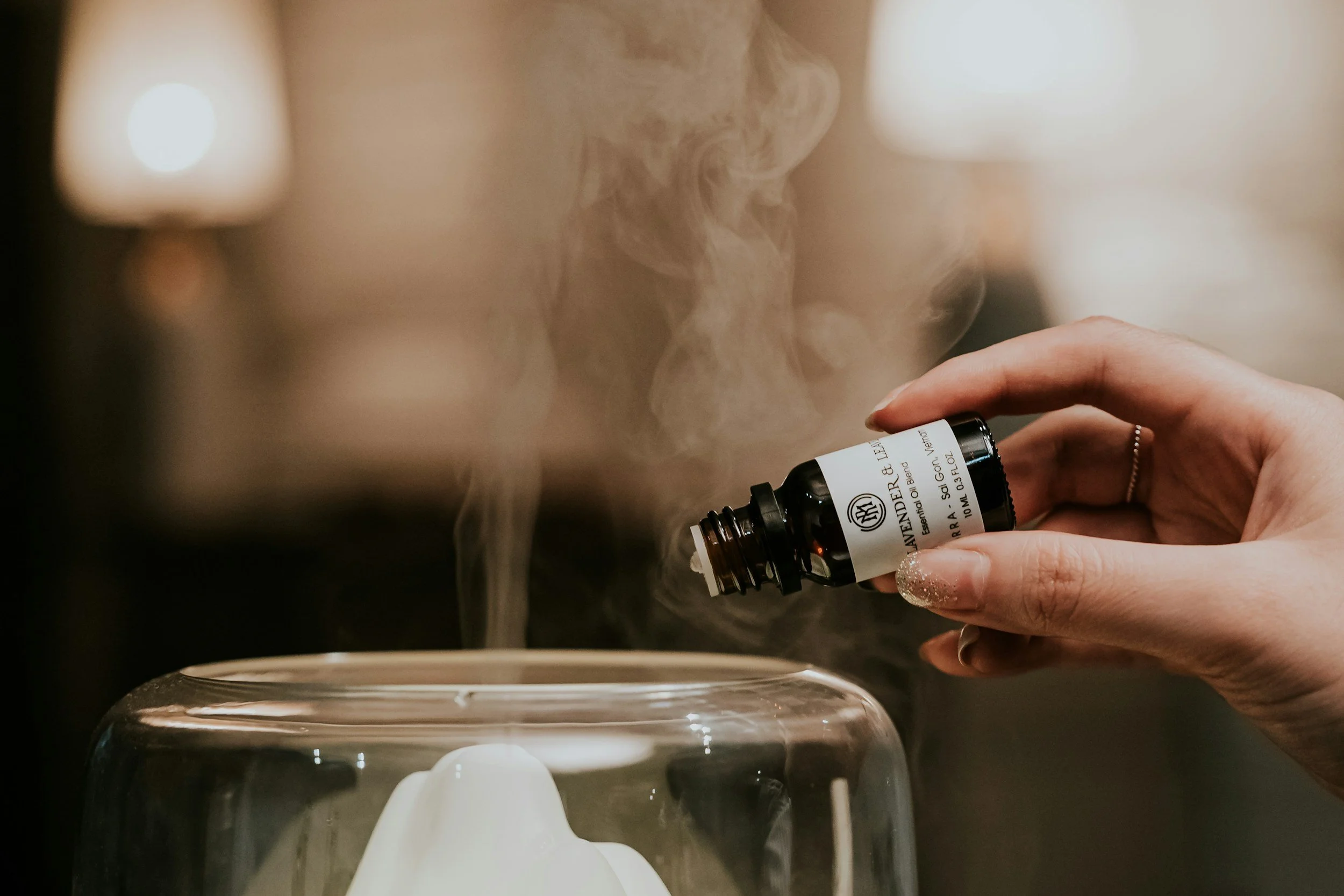
If all your focus is mind, body, and soul, and you're not considering the environment someone is in, you're not actually doing that much for them, because our nervous system responds to the environment around us. It responds to every sensory cue it picks up: the smells, the light, what we can see and how our brain takes that in and filters it, what we can hear, what we can taste, what we can touch. All of this filters how we experience the world. And when we have a good experience of that, it allows us to decompress in a way that doing other things simply can't replicate. It's really, really crucial, and yet it's so often missed from that core understanding.
Plus the wider environment. Nature and water are two of the most powerful levers here. A study published in Health and Place by researchers at the University of Exeter analysed data from thousands of participants and found that people living near the coast reported better mental health, with the strongest effect in the most economically disadvantaged communities. Follow-up research from the same team found that coastal visits measurably lowered cortisol and improved mood in controlled experiments. Time in water-rich natural environments has also been shown to improve mood, reduce anxiety, and restore attention in ways urban settings rarely achieve. That response happens on its own. It doesn't need a treatment, a session, or a programme attached to it to be valuable. It's simply how the human nervous system is built to respond to natural environment, and it's exactly why the setting around a guest matters as much as anything happening inside a treatment room.
Relationships Are Not Optional
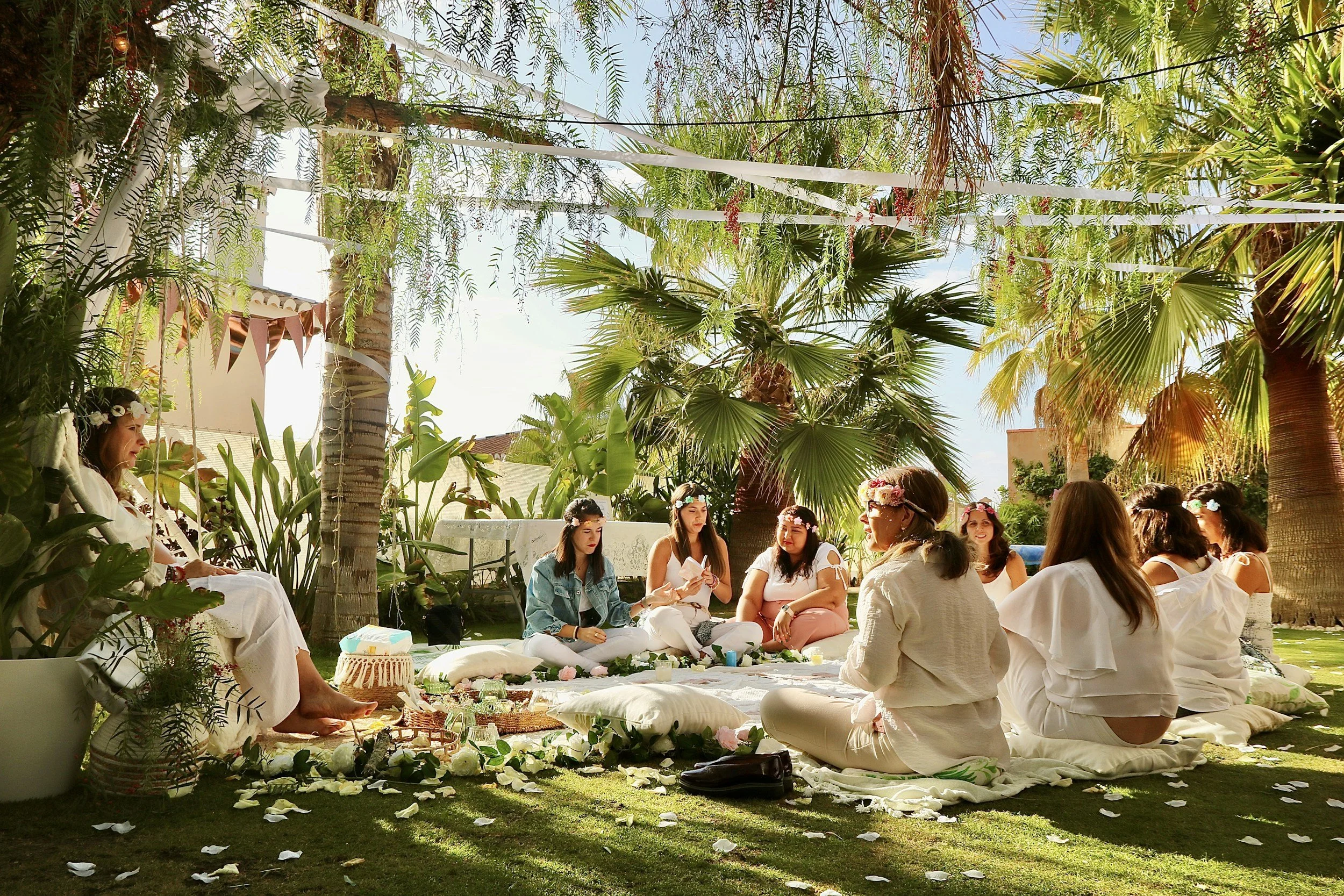
The next piece is relationships. As humans, we are built for connection. If your focus is mind, body, and soul, and you're not even considering connection in your wellness space, you're missing something huge, especially right now, especially in a world where we went through Covid, where we had that period of distancing ourselves from people are we’re now moving back toward wanting presence with people again, away from the digital. Also with the rise of AI, creating uncertainty and lack of trust. In person, we can gauge the authenticity of the people and place. And so, that connection is enormous in terms of this world we're living in.
Relationships can start from how your staff interact with guests. But also, how you facilitate opportunities for engagement.
Fun Is One of the Most Overlooked Parts of Wellness
Then there's the ability to have fun, and I think this is one of the most crucial parts of wellness, even though it's so rarely talked about in the wellness space. Your ability to have fun, to experience that sense of joy and laughter, in whatever way that looks like for you. That could be diving, it could be board games, it could be any kind of play.
Play and laughter trigger the release of endorphins, the body's natural feel-good chemicals, acting as a quick reset for the nervous system and lowering stress in the moment. Laughter itself engages the parasympathetic nervous system, the same system responsible for rest and recovery, which is why a good laugh can genuinely lower heart rate and ease physical tension. Research also shows that regular engagement in enjoyable, playful activities is linked to higher wellbeing and fewer depressive symptoms across age groups, and that these effects show up in small, repeatable moments, not just big or expensive experiences.
There are so many different ways to bring that playful, childlike energy, that sense of letting go, and there are so many benefits to it that are completely missed in the conversation. Of course, some spaces are set up more mindfully than others, some spas are built around one person coming in for a single treatment, but even then, I think there's so much more we're missing, and so much more opportunity that people aren't seeing.
What Wellness Tourism & Hospitality Keeps Missing
What struck me is how, whenever people talk about wellness tourism, they speak so specifically about being vegan or vegetarian, about yoga, about specific practices of wellness or even just a focus on massage and spa. And yes, of course those things are aspects of wellness and can genuinely create incredibly restorative experiences. But if you are wanting to create lasting change. Start asking yourself these questions:
How does your environment support their nervous system?
How do you give people the opportunity to connect?
How do you enable people to experience fun, and a true level of joy?
So often we've boxed wellness up as mind, body, and soul, without considering the other important aspects: our environment, our relationships, our ability to have fun. So let’s make that change now.