
A Hoteliers Guide to Integrating Wellness Into the Guest Experience
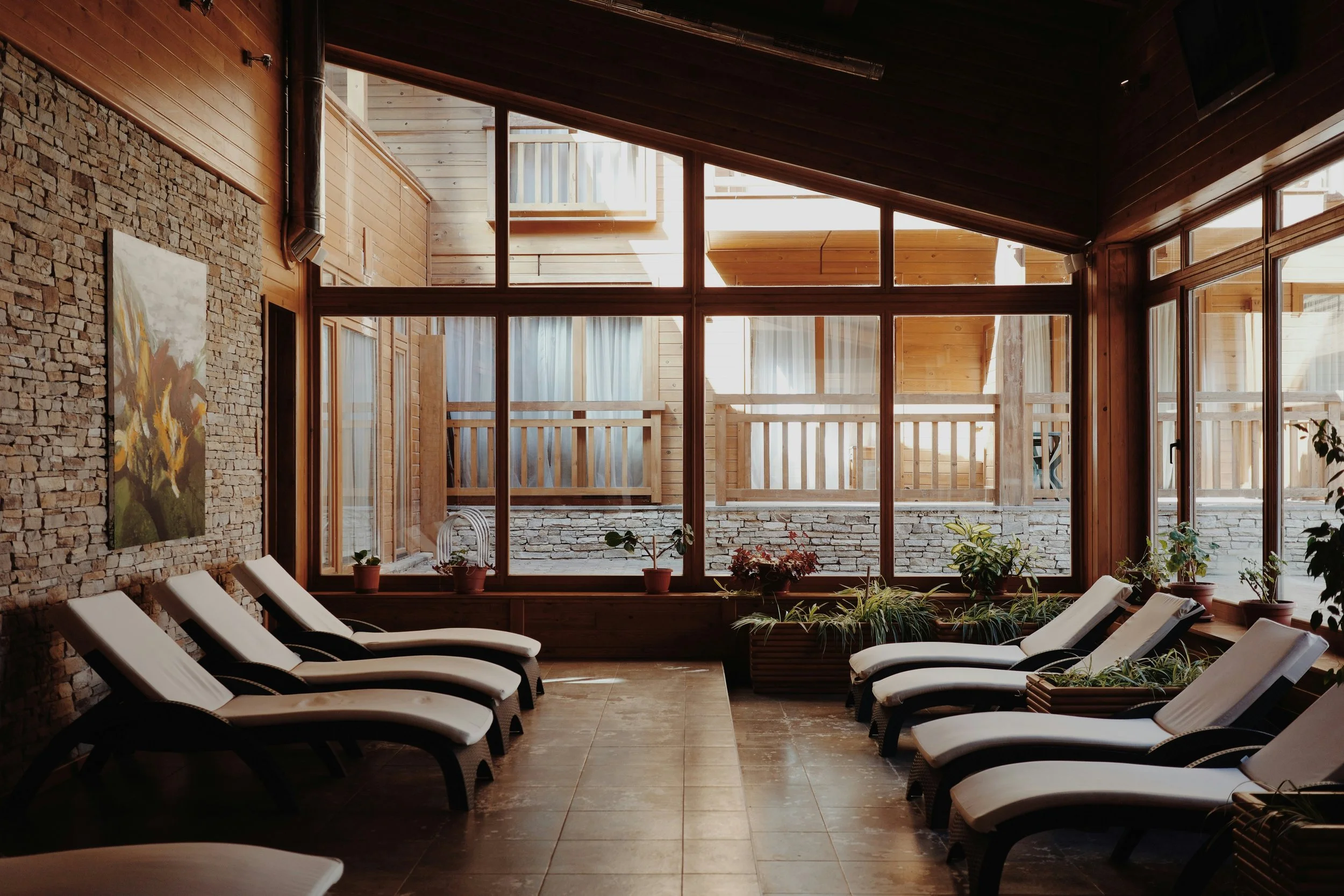
The wellness boom is opening up a whole new world of possibilities for hotels and boutique accommodations. We're seeing more recovery experiences, healthier food options, nature-based activities, wellness retreats and wellness-focused events or workshops becoming part of the hospitality offer. The Global Wellness Institute estimates that wellness tourism reached US$893.9 billion in 2024, with 1.24 billion wellness trips taken globally that year. Wellness travel represented 8.3% of all tourism trips and 17.6% of tourism expenditure.
But as wellness becomes more established and even mainstream within hospitality, there’s a bigger question worth asking: what does designing a wellness experience within a hotel genuinely look like?
Because when we talk about wellness, we often reach for the things that are easiest to identify and package. A spa treatment. A yoga class. Healthy food. A meditation session. A sauna. These can all contribute to someone's wellbeing, but they only represent a small part of what someone experiences when they stay at a hotel.
Think about your own experience as a guest. You don't experience your stay as individual touchpoints. You experience the journey as a whole. You find the hotel online, make a booking, receive communication before you arrive, travel to the property, walk through the entrance, meet the team, enter your room, eat, sleep, move around the property and interact with the environment and people around you. All of those moments contribute to the experience you have.
A restorative spa experience is wonderful, but what if there’s no strong healthy food options, there’s a loud fan in the room affecting your sleep, the staff are rude. Do you have a restorative experience? Unlikely.
That’s where the opportunity for hotels lie. Wellness can be considered across the whole guest experience, from the first interaction with the property through to departure and beyond. It can influence how a space feels, how easily someone moves through it, what experiences are available, how the team delivers the service and whether the operation behind the scenes can support what you're promising. To ensure they experience the transformation you want them to experience. And this doesn't necessarily require a spa, a retreat programme or a major redesign. A smaller property, limited space or an existing hotel with established systems can still find opportunities to integrate wellness into what it already has.
The starting point is understanding what wellness means for your property, then looking at how that direction can run through the whole experience.
Here are the 5 key areas to create a wellness experience:
1. Strategic positioning
There are so many different directions you can take wellness that it can be tempting to start with the most obvious one. What treatment should we offer? Should we build a sauna? Could we run yoga? Should we create a retreat? What wellness package could we sell?
The more useful place to start is with the vision for the property. What do you want people to experience when they stay with you? What is the feeling you want them to leave with? Who are you creating this for? What does wellness mean for those people? And what is already present within your property, your destination and your wider business that could support that experience? Because if I asked five people what wellness feels like, I'd expect five different answers. Our needs, preferences and perceptions are shaped by who we are, where we are in life and what we are looking for at that particular time.
So your wellness strategy needs to have a point of view, a filter for every other decision.
Once you know the experience you're trying to create, the decisions underneath it become much clearer. Your offerings can support it. Your guest journey can support it. Your environment can support it. Your team can support it. Your operations can support it.
That strategic direction becomes the thread connecting everything else.
2. Wellness experience
Once you have a clear direction, you can start looking at the wellness experience itself.
This is where the physical environment, sensory experience and wellness offerings come together. Your physical environment is communicating with your guests all the time. The light, the sound, the scent, the temperature, the materials, the views, the spaces you create for privacy, the spaces you create for connection and the relationship between indoor and outdoor environments can all influence how someone experiences the space around them.
These details can influence how someone experiences the space around them, and they are often overlooked when we talk about wellness.
Your wider location matters too. If you're beside the ocean, how are you using that? If you're surrounded by forest, what opportunities exist there? If you're in a city, what is available within walking distance? What local food, culture, movement, nature or community experiences could become part of the stay?
Then there are the wellness offerings and enhancements themselves. These could be substantial, such as a spa, movement studio or recovery facility. They could also be much simpler. A meditation card in the room. A sleep kit. A walking map. A thoughtful minibar. A partnership with a local wellness practitioner. A guided experience. A digital detox option.
There is a huge range of possibilities.
The question is which ones make sense for your property, your guests and the experience you decided you wanted to create.
3. The guest journey
The wellness experience also needs to be considered across the entire guest journey.
Think about everything a guest experiences before, during and after their stay. They might discover you through your website, social media, a recommendation or a review. They make an enquiry or booking. They receive confirmation and pre-arrival communication. They may be deciding what to pack, how to get there, where to eat and which experiences they want to book.
Then they arrive. How easy is the check-in? What do they see, hear and smell? How are they welcomed? How easy is it to find their room? What happens when they wake up the next morning? What are their options for breakfast? How do they find out about your wellness experiences? How easy is it to book them? Can they access nature? Where can they spend time alone? Where can they connect with other people? What does the evening experience feel like?
And then there is departure, the journey home and what happens afterwards.
There are so many touchpoints here that have nothing to do with a treatment room, yet they can influence how the guest experiences their stay.
This is where mapping the guest journey becomes so useful. You can start to see where the experience is supporting the feeling and transformation you want to create, where there are gaps and where there may be unnecessary friction.
4. Sustainable operations
Then there is everything happening behind the scenes.
Operations might not be the first thing that comes to mind when we talk about wellness, but they ultimately determine whether the experience you've designed can be delivered consistently.
Where are people experiencing unnecessary friction? Are responsibilities clear? Are there processes that could be simplified? What can be delegated? What repetitive work could be automated? Where could AI save the team time? Are there suppliers or partners who could support what you're trying to create?
And what is the environmental impact of the way you're operating? Sustainability can be considered through energy, water, waste, procurement, suppliers, materials and resource use. It can also connect with the wider destination and the experience you're creating for guests.
This is where I think operational thinking becomes really important. You might have a beautiful wellness concept, but if the systems underneath it are difficult to manage, expensive to maintain or dependent on processes that the team cannot realistically sustain, the guest experience will eventually feel that.
The operational side needs to support the vision, the experience and the people delivering it.
5. Healthy culture
You can design an incredible environment, create beautiful wellness experiences and map every stage of the guest journey. But a guest has one poor interaction with a member of the team and suddenly the experience feels completely different.
Your people are part of the wellness experience.
That starts long before the guest arrives. Who are you hiring? Are your job descriptions clear about the type of person you need? Are you asking the right questions during interviews? How are people onboarded? Do they share the vision for the property? Do different teams communicate well with one another? Do people have opportunities to develop? Do they feel valued?
These questions matter because your team is the group of peopl delivering the experience you have designed.
Healthy culture also means looking at how the team experiences the workplace themselves. How are people supported? Are expectations clear? Do they have the knowledge and resources they need? Are there opportunities for learning and development? Does the team understand the role they play in delivering the property's wellness experience?
I've seen how visible culture can be within a hospitality space. When staff are disconnected, unhappy or unclear about what they are working towards, guests can feel it.
Healthy staff means a healthy space.

Where to start
If you're looking at your hotel and wondering where wellness could sit within it, start by looking across these five areas.
Strategic positioning: What do you want wellness to mean within your property, who are you creating the experience for and what do you want people to experience while they are there?
Wellness experience: What wellness offerings, sensory experiences, environments and destination assets could support the experience you want to create?
Guest journey: Where are the opportunities to support wellbeing before, during and after the stay?
Sustainable operations: What is helping or getting in the way of delivering the experience consistently, and how can your systems, processes and resource use support the vision?
Healthy culture: Does your team understand the experience you're trying to create, and are they supported to deliver it?
You may find that your biggest opportunity is a new offering. You may find that it is sitting in a guest journey touchpoint you've never considered before. You may realise that your property already has many of the ingredients you need, but they aren't connected yet. Or you may discover that you need to step back and establish the strategic direction first.
That is why wellness integration needs to start with the whole picture.
Not every hotel needs a spa, a retreat programme, or to build something new. But every hotel does have an experience.
The opportunity is to look at your hotel through a different lens: how could wellness shape the way guests experience the entire stay, from the moment they discover you to the moment they leave, and what could that unlock for your property?
Ready to see where wellness could fit within your property?
Start with a free Wellness Self-Audit to help you look at your property across the five areas we've explored in this article. Use it to identify where wellness is already integrated, where there may be gaps and where you could create opportunities within the experience you already have.