
5 Ways to Embed Wellness Into Your Boutique Hotel Without a Redesign or Retreat Program
Whenever wellness comes up, most operators picture a retreat.
A full program. New builds. A completely different type of space.
But wellness integration doesn't start there. It starts with 5 things you can build into what you already have, before you even explore running wellness events, retreats, or a rebuild. Here's what to consider first:
1. Offerings
This is the type of experiences you offer, and each has a different impact for a guest. A sauna uses heat to support circulation and muscle recovery. The real benefit comes after, when the body cools and shifts into deep relaxation. A spa treatment works through touch. Massage lowers cortisol and activates the body's rest and digest response, giving guests a physical route into relaxation. Yoga and fitness classes regulate the nervous system through movement. For guests who find stillness difficult, movement gives them an accessible way into a calmer state. This is super important for guests in a ‘freeze’ state. A sound bath uses frequency and vibration to shift brainwave states, taking guests into a depth of relaxation that passive rest alone rarely reaches. Playful, movement based classes bring a different tone into the mix. Joy and lightness regulate the nervous system through energy and lift, giving guests who need to move and laugh their way into feeling better a place to do that.
Pick options that integrate well together and match the transformation you want your guests to feel. Every offering on your menu should have a clear reason for being there, tied to what it does for your guest.
2. Wellness enhancements
These are the smaller additions that support your core offering.
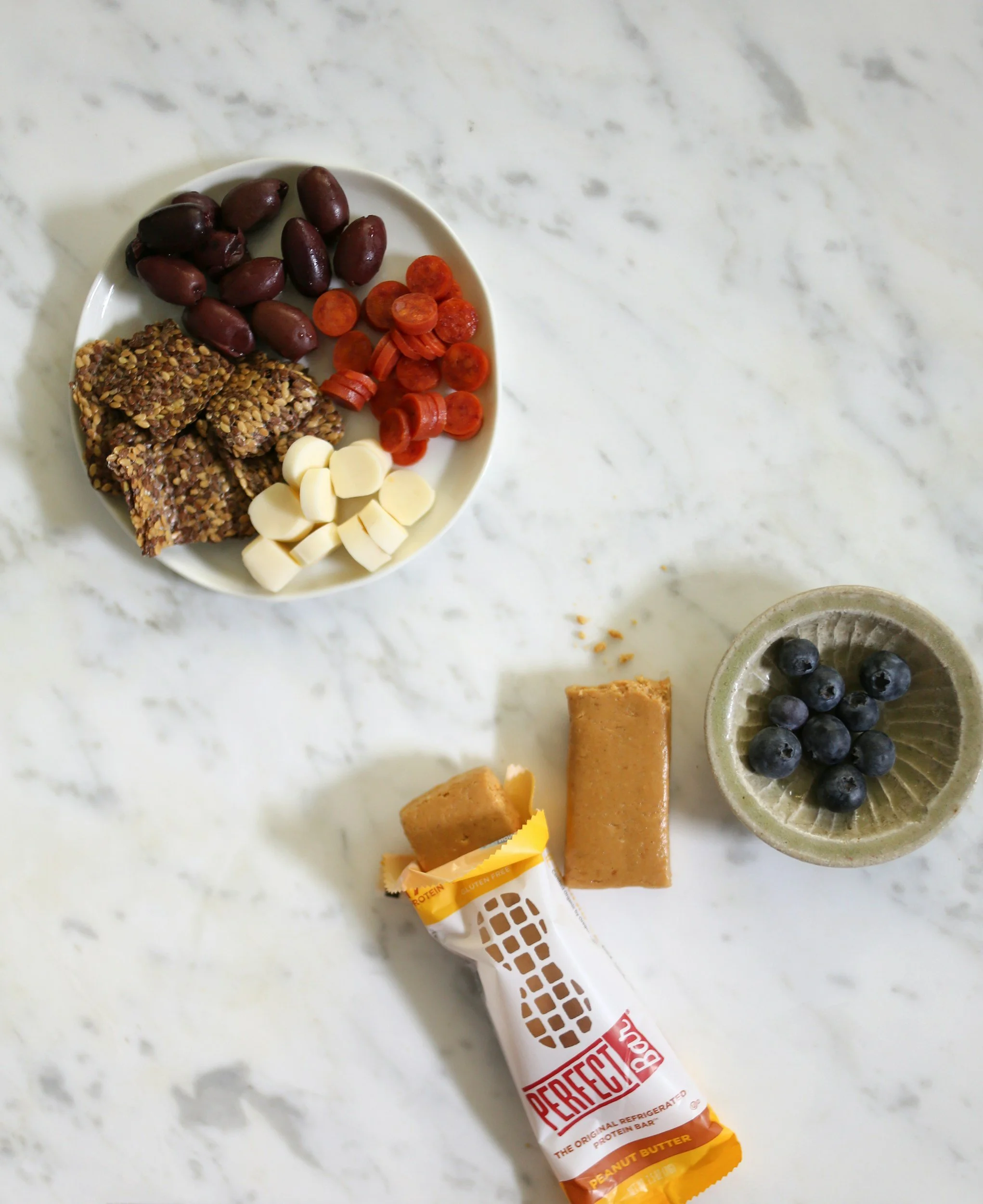
Small in room enhancements could include a sleep kit, with lavender pillow mist, a weighted eye mask and a printed card explaining why each item helps the body wind down. Name the ingredients and the intention behind them so guests understand why each piece is there. A meditation card with a two minute breathing exercise printed clearly, so guests can use it without downloading an app or hunting for guidance. A reflection prompt placed by the bed, inviting a guest to notice how they feel after a day of rest rather than rushing straight to the next task.
Food and nutrition that supports your guest’s health and wellbeing is also key here, and it doesn’t have to be a full nutrition plan. Even offering healthy options is enough to start. This could mean swapping the standard mini bar for options with real nutritional value, magnesium rich snacks, herbal teas that support digestion or sleep, water infused with electrolytes at check in.
Every enhancement should align with the offerings, the core feeling you want your guest to experience. Whether it's joy, energy, calm or restoration.
3. Guest journey
This is about how connected your guest feels to wellness at every stage of their experience with you, starting well before they arrive.
Before arrival, your emails and messaging shape what your guest expects. Packing guidance, an overview of your menus, classes and offerings, and even a short meditation to listen to on the way for their nervous system can start to settle before they've even left home. This removes the mental load of having to think about what they need to bring, plus having it organised before they arrive, so they can fully relax during their stay rather than making unnecessary decisions. Clear pricing plays a role here too. When a guest knows what wellness offerings cost before they arrive, they experience it as a considered part of their stay, rather than a decision they're having to mull over when they arrive.
During their stay, a well paced schedule keeps that sense of wellness building rather than sitting flat. The body doesn't shift into rest in one step, it moves through it in stages, and each stage leaves the nervous system in a slightly different state. Starting off with activity, then moving to more relaxing activities is a good first point of call with moving people into a regulated state.
Each part of the journey should flow well together, with considerations of how guests can experience each step.
4. Sensory design
Every space in your hotel should match the feeling you want your guest to have there. Calm. Energising. Healing. Whatever that core feeling is, your scent, lighting and sound should reflect it consistently through the space.
If you want your space to allow guests to move from one feeling to another e.g healing, to calm, to energised. Then ensure these spaces naturally flow from one to another with the right lighting, scents and other sensory experiences in each area.
This doesn’t need to be complicated. I recently stayed in an Airbnb which was one room with a bathroom. On arrival, the soft side lamps were on, the space was clean, the space smelled refreshing due to the cleaning products. I felt relaxed the moment I walked in. These were intentional decisions by the owner that genuinely allowed me to unwind.
Sensory design is crucial for whether our nervous system believes it's safe to unwind or stay wired. So start integrating these small changes into your space.
5. Team engagement
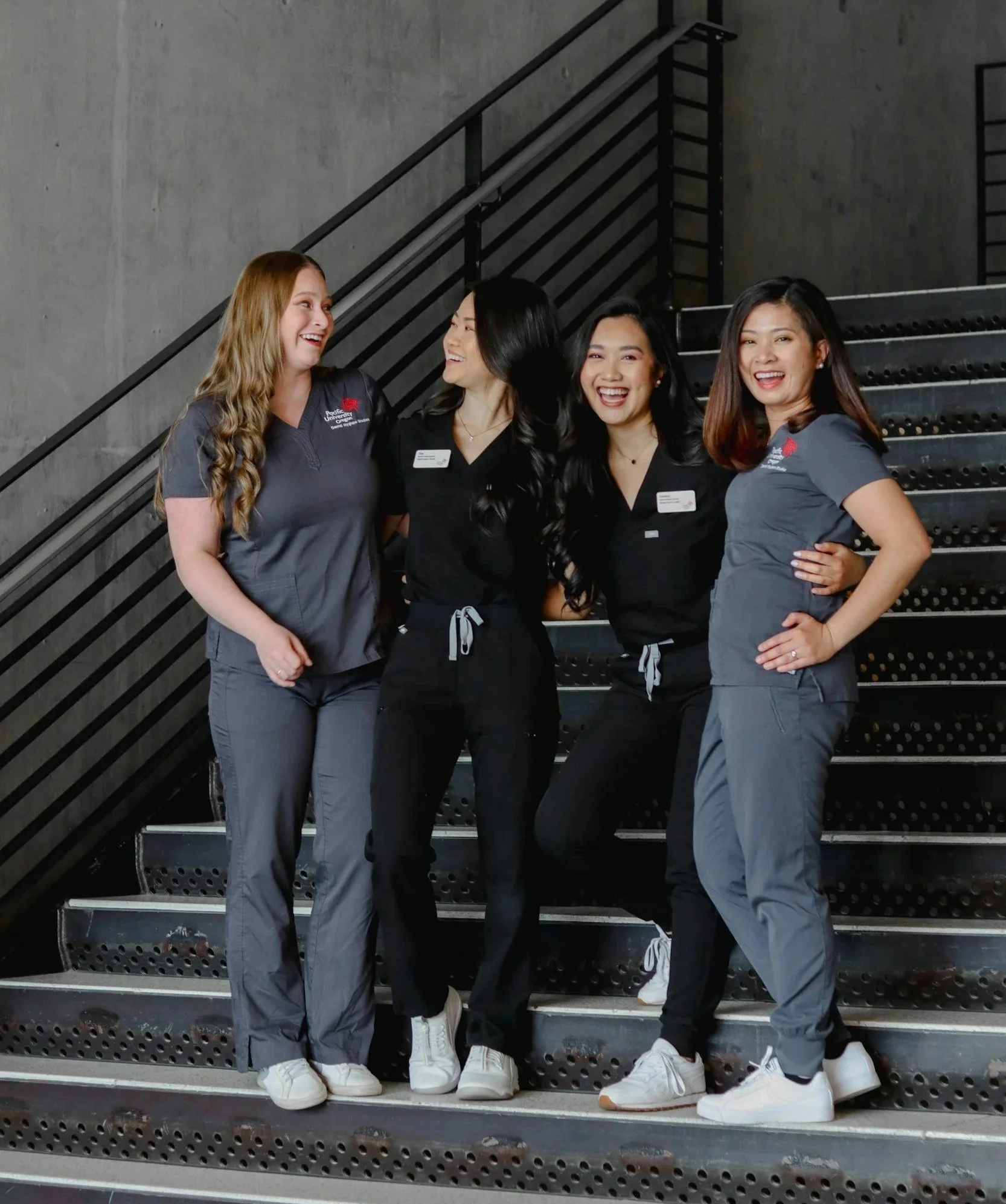
Guests feel the difference when your staff are energised, aligned with your vision, and genuinely want to be there.
They are the people who facilitate the feeling you want your guests to experience, or completely detract from it.
This shows up so often in reviews. Sometimes the issue is genuinely the space. But often, it's the staff. A staff member being rude, or unhelpful. This happens as a direct result of staff who are either not aligned with your vision, or who feel undervalued.
So at your next staff meeting, before you tell people what to do. Remind them of what you’re all working together to create. And in your next interaction with them, check in on them or tell them what you appreciate about them or offer them a bonus - either monetary, a free treatment or anything that might make them valued right now.
Where to start
Don’t be overwhelmed and try to integrate and fix all 5 at once. Instead pick the one with the clearest gap and build from there.
For guidance on how to figure out where is best to start, download a copy of the Wellness Self-Audit below.